

Tomato 'Pomodora Roma Nano'
Tomato 'Pomodora Roma Nano'
Couldn't load pickup availability
 Solanum lycopersicum
- Classic Italian Roma
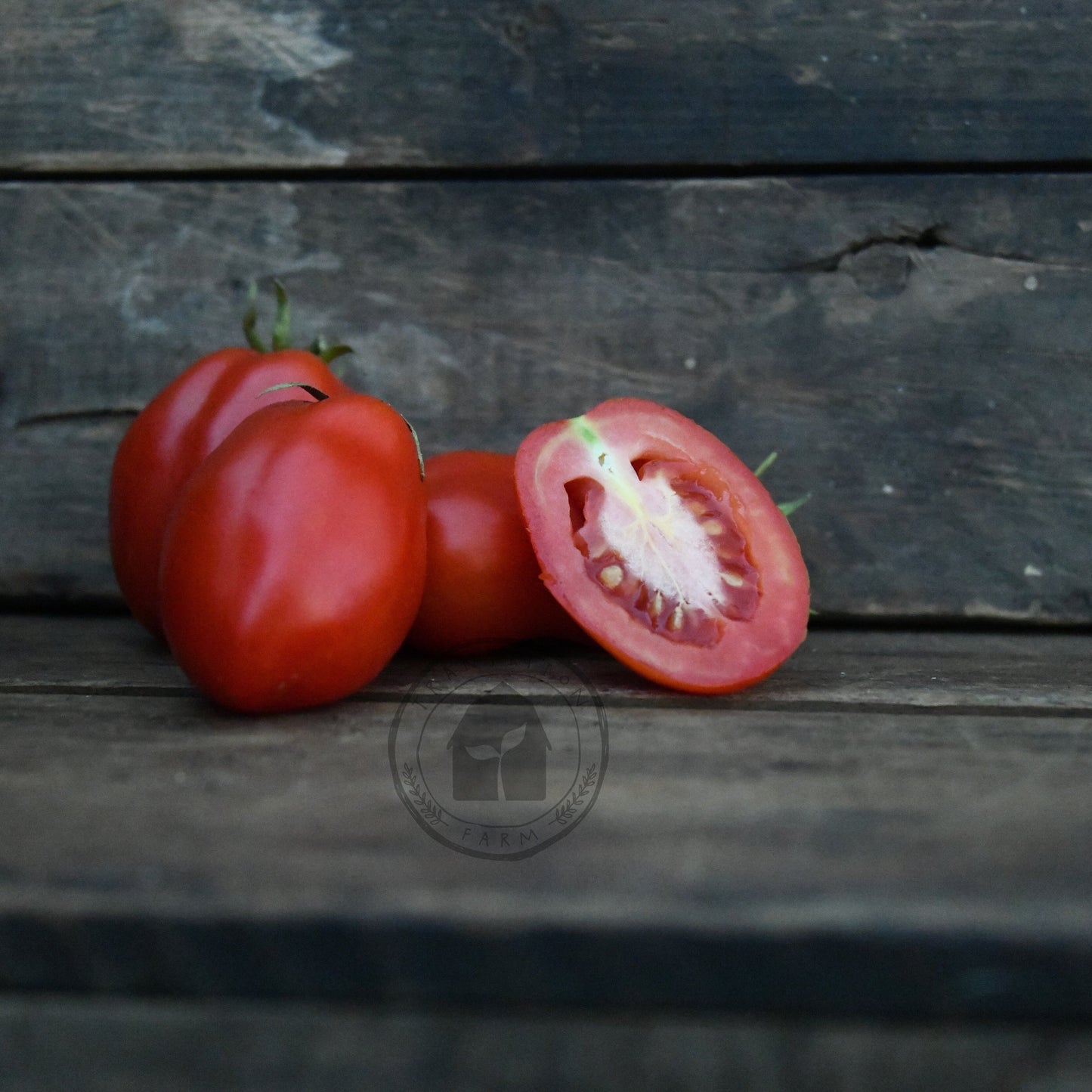
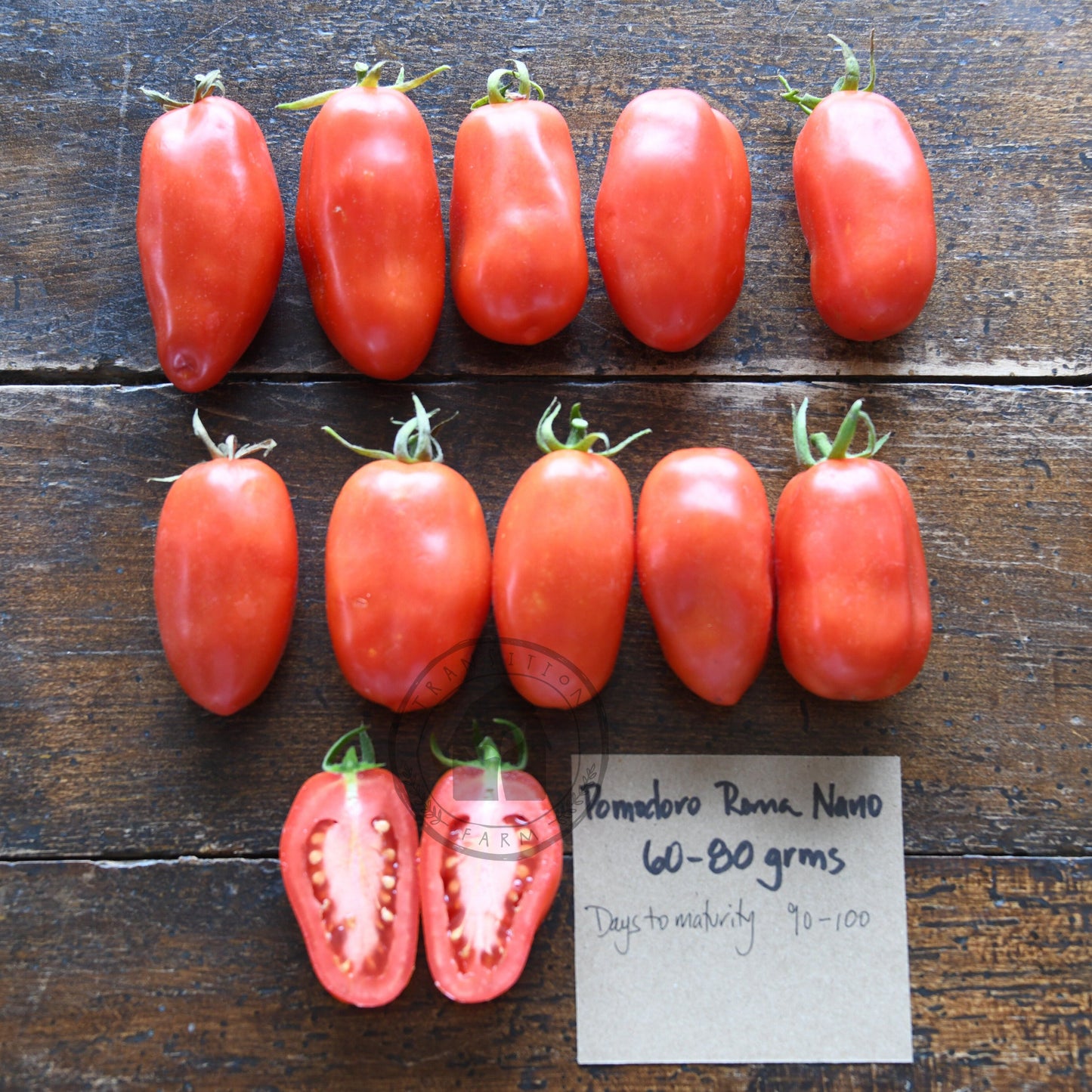
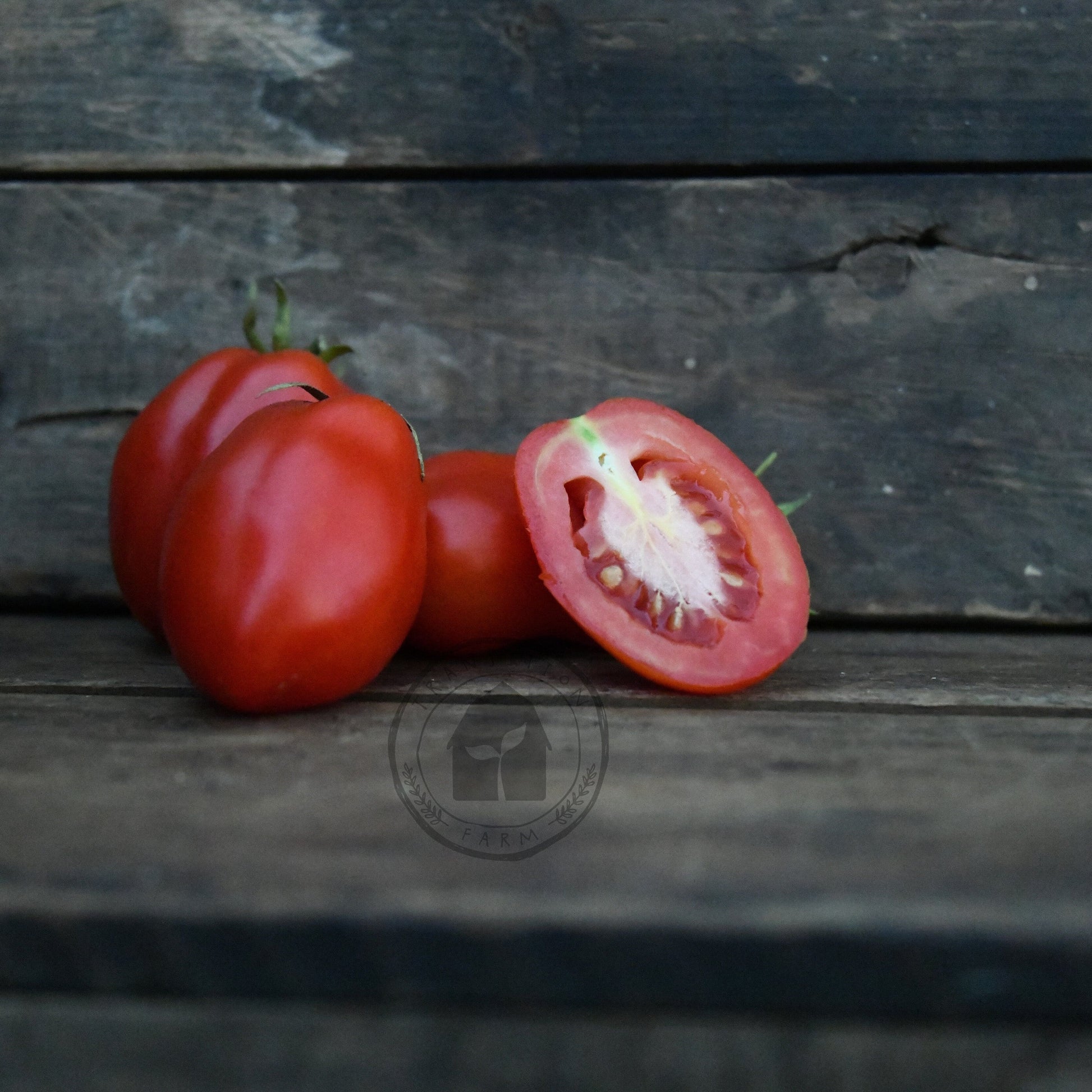
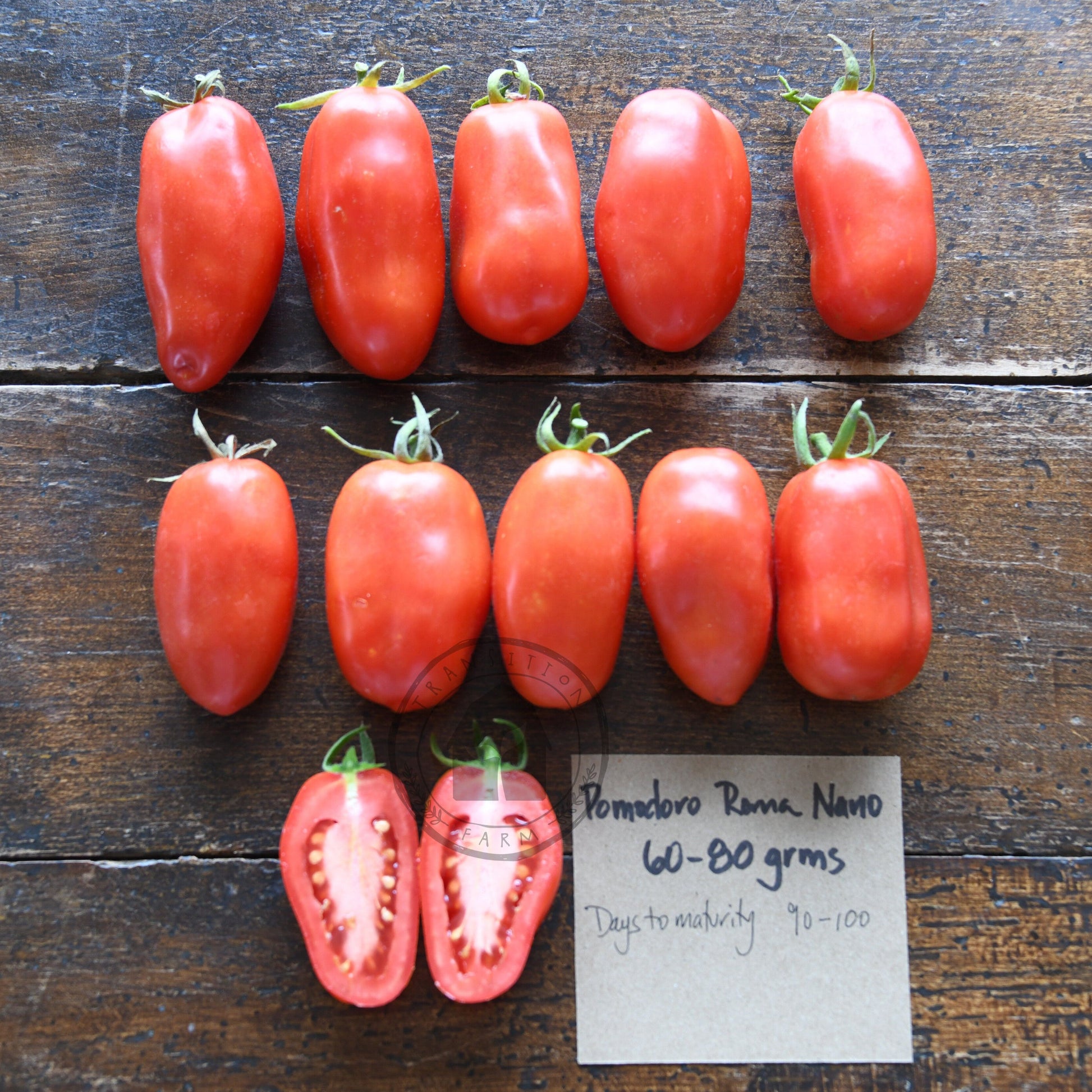
- Fruit is meaty with firm flesh and few seeds
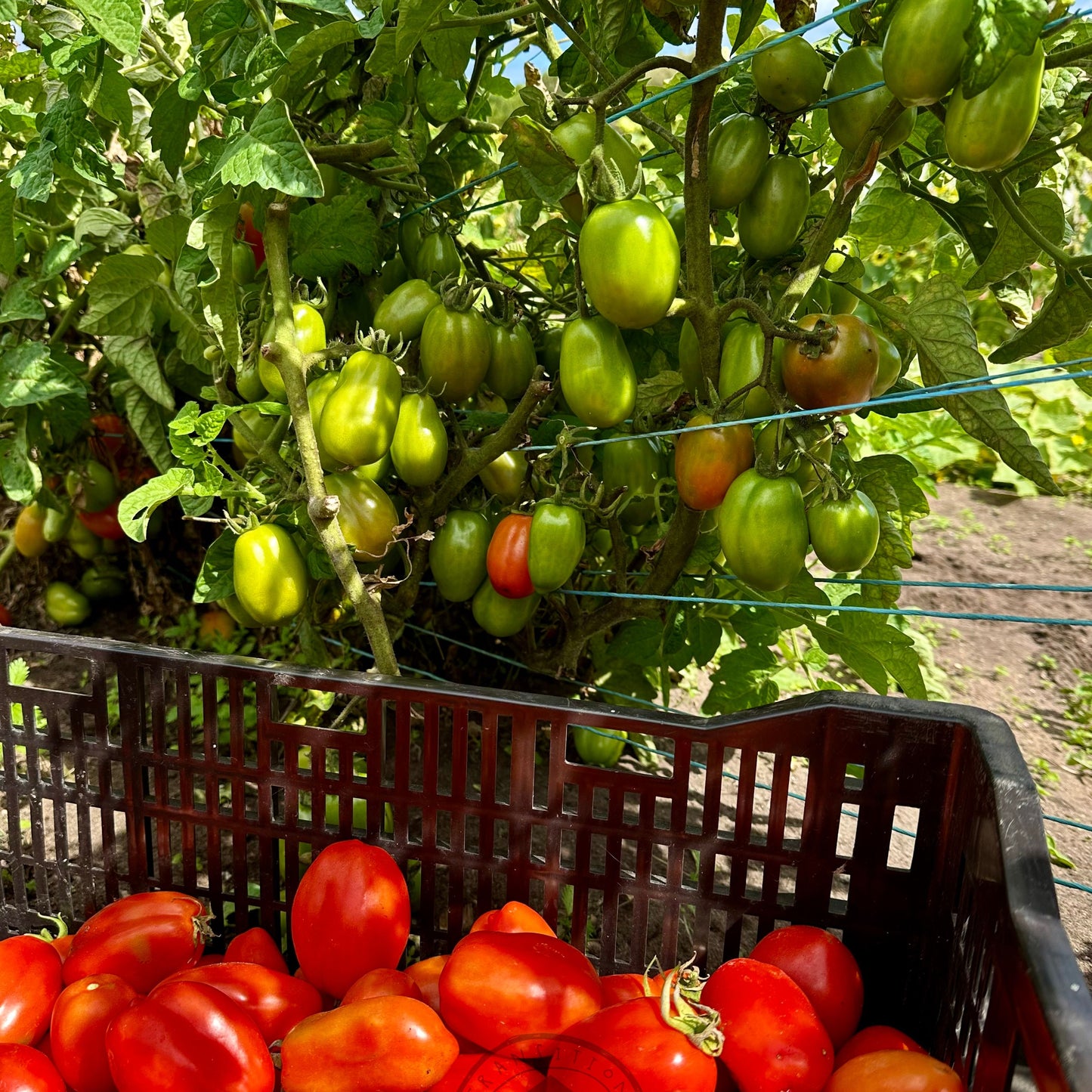
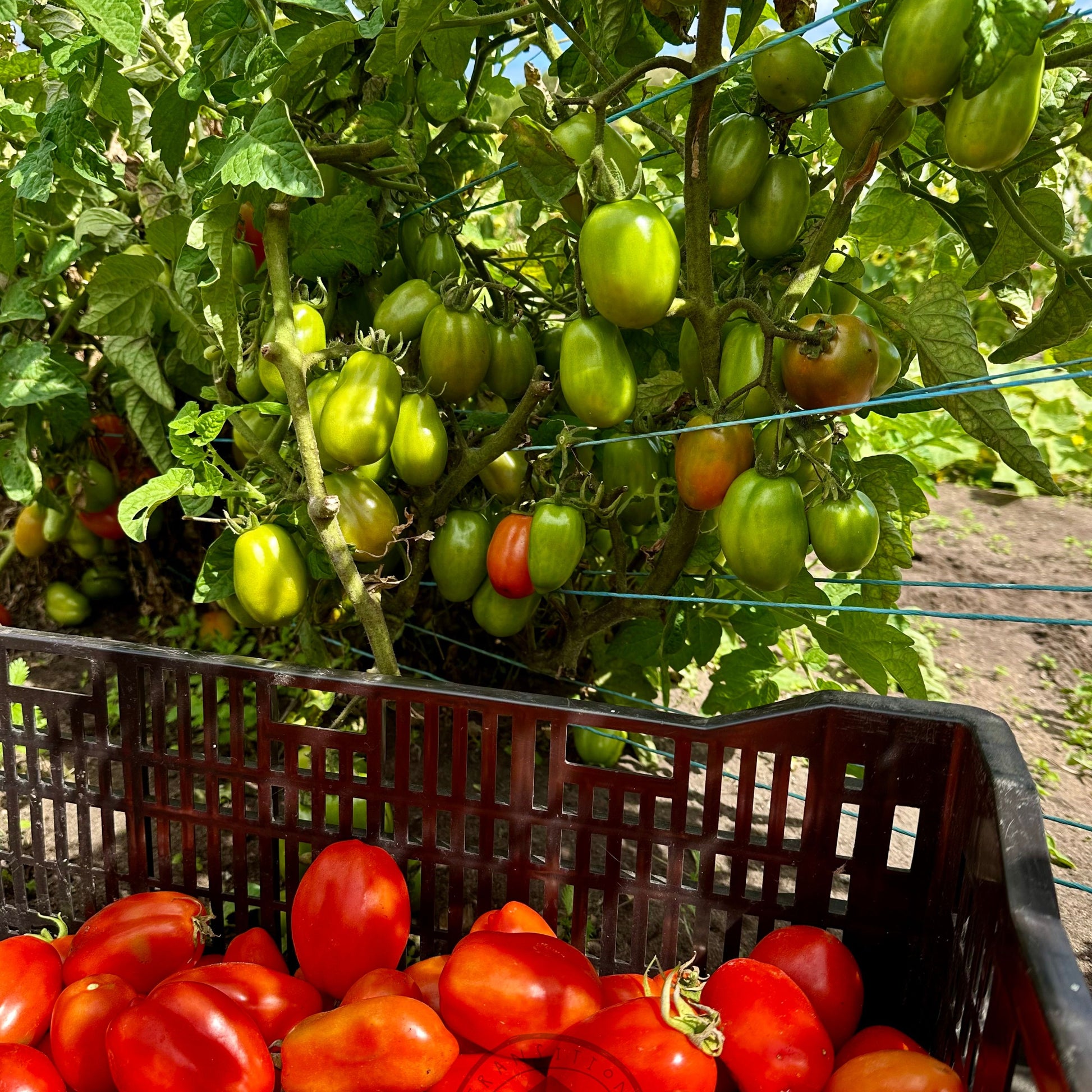
- Semi-Determinant, busier, more compact plant 1-1.2m
- Heavy yields
- Mid season
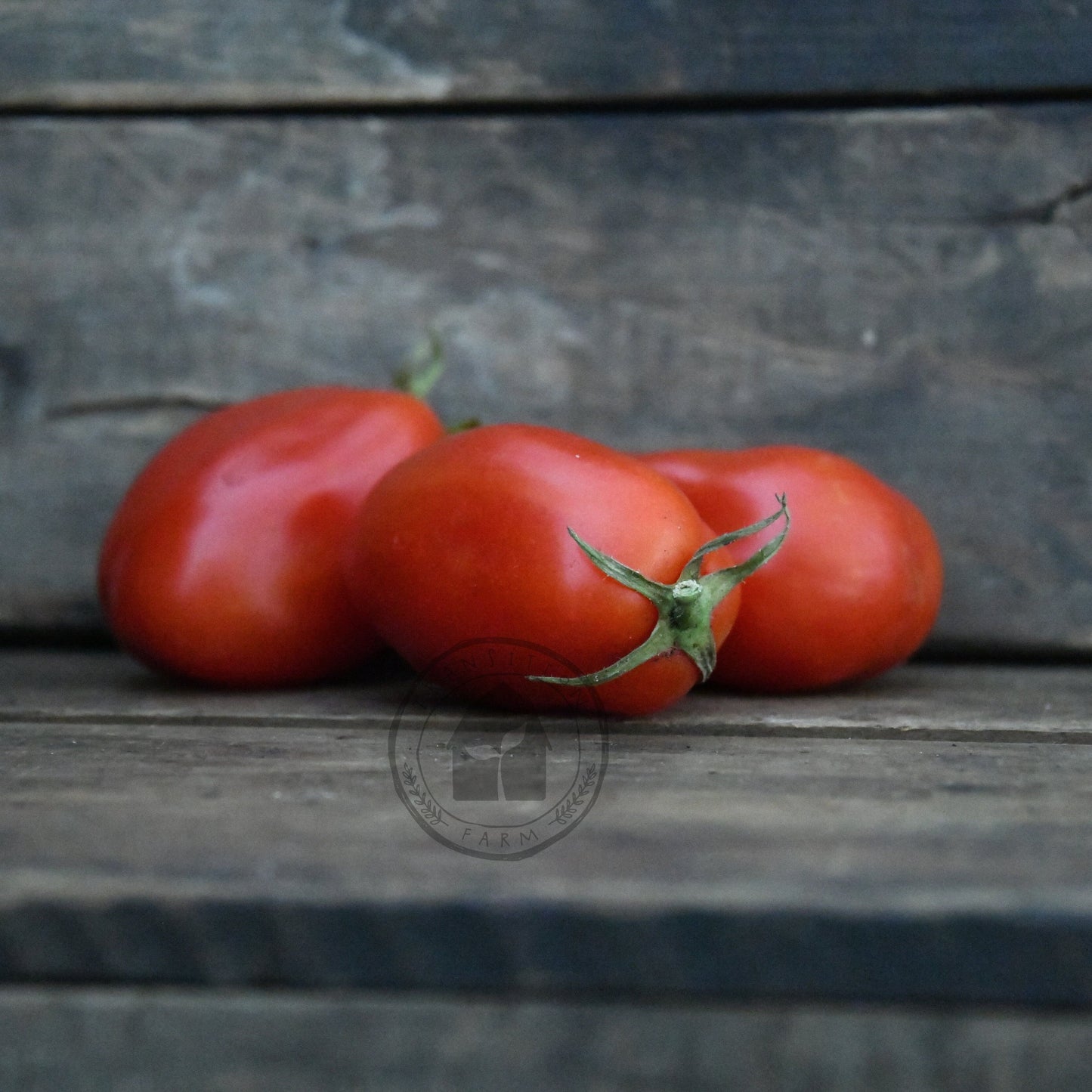
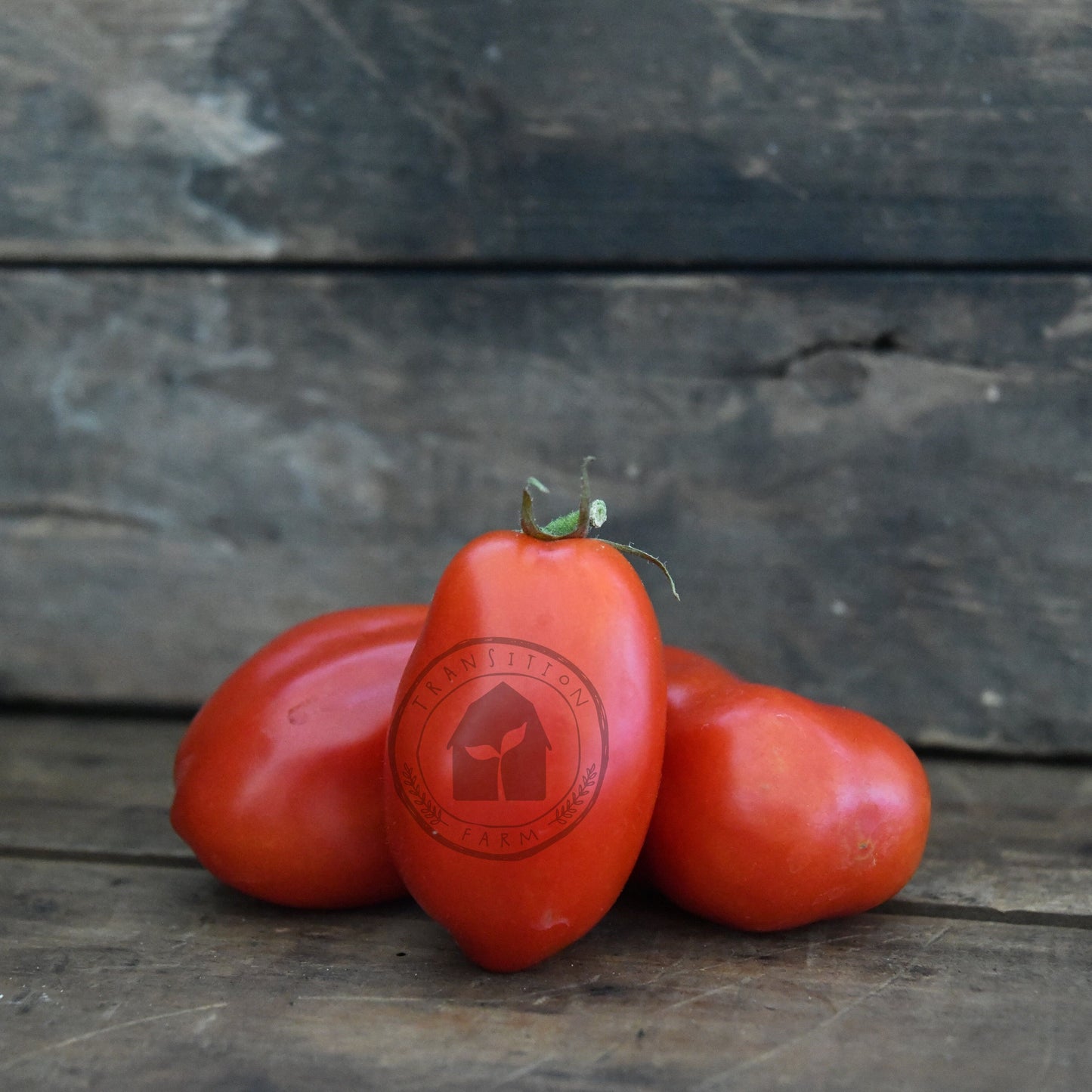
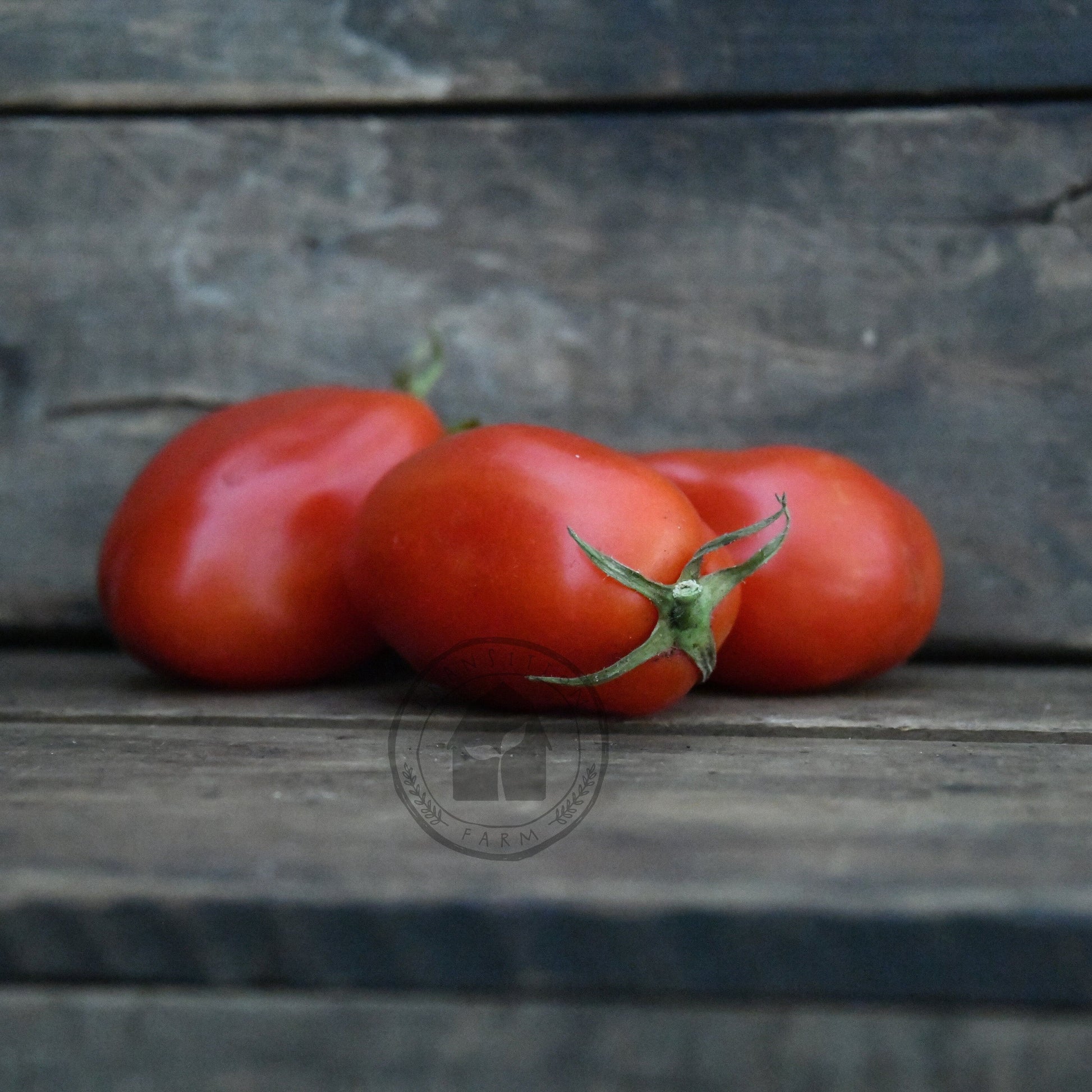
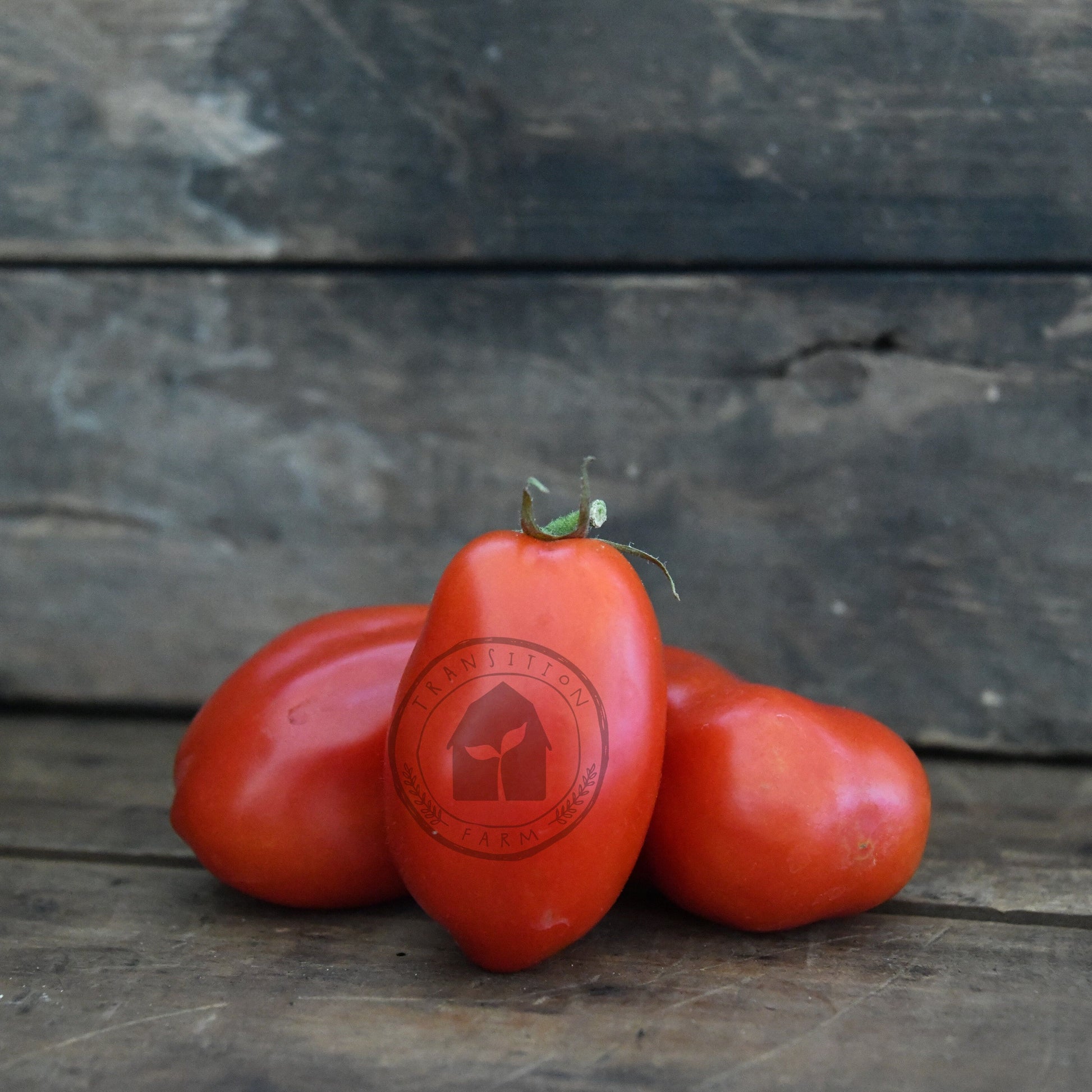
A classic Italian Roma but smaller in size on a more compact plant. The fruit are juicy with thick, meaty, firm flesh and few seeds.
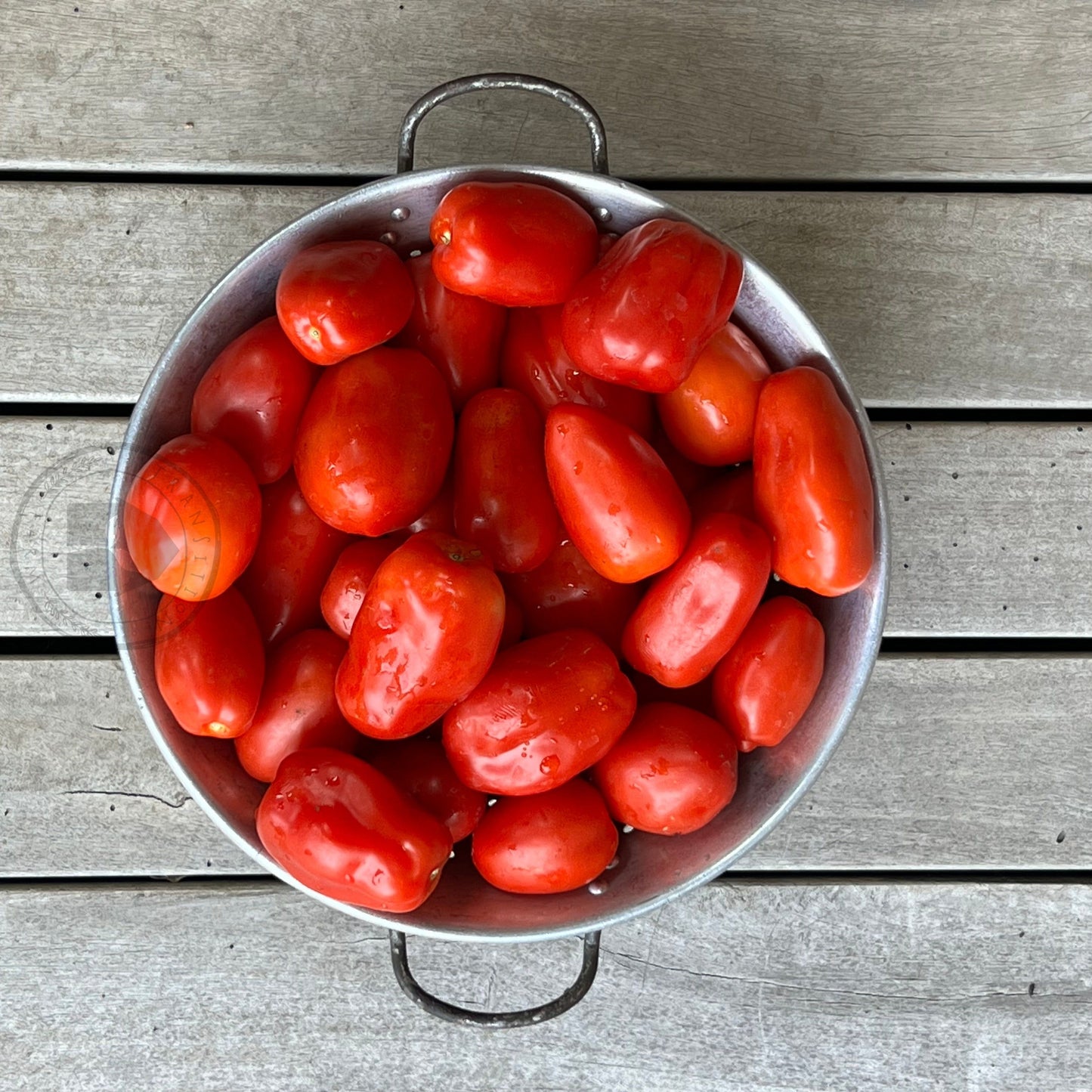
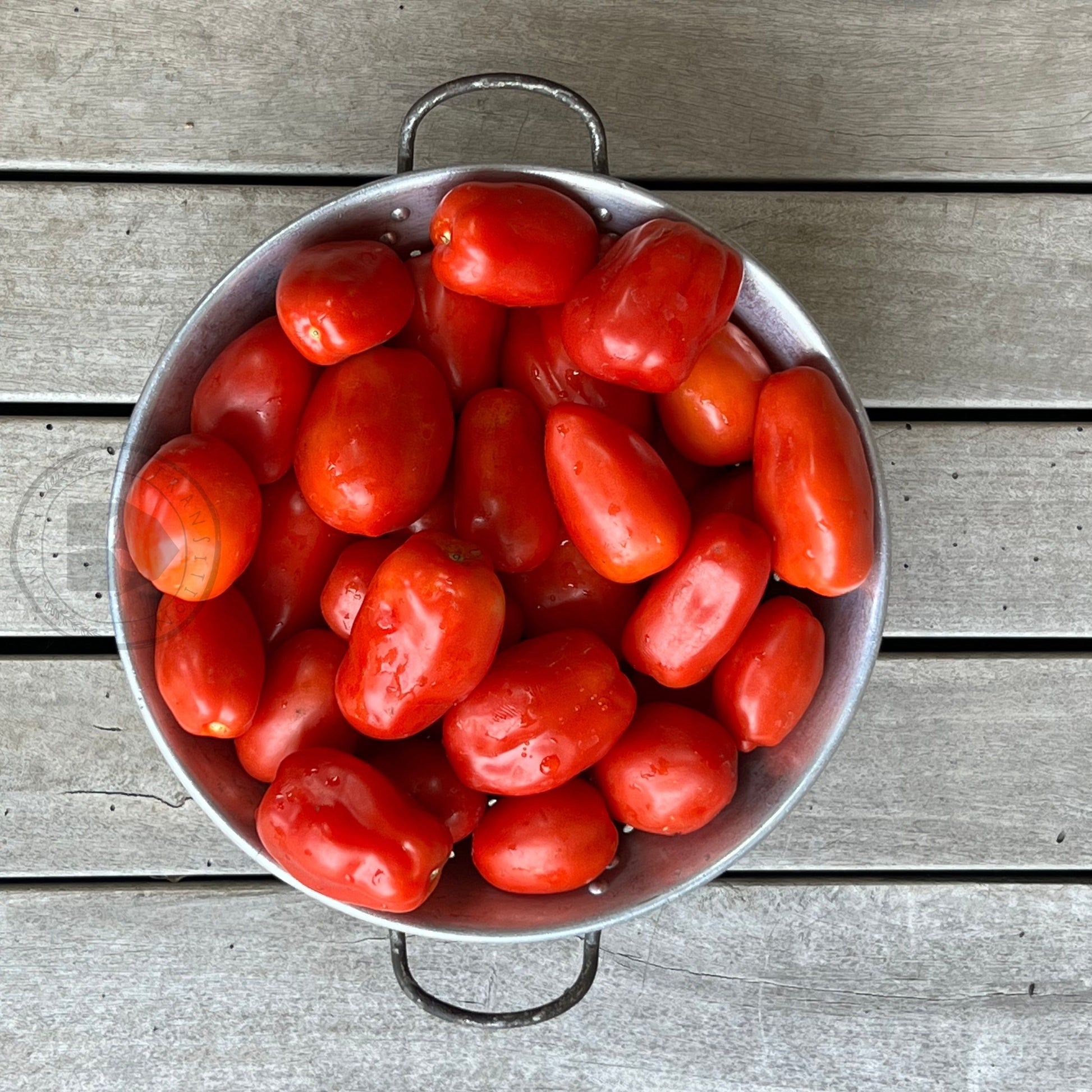
The semi-determinant nature of the plant makes it bushier and more compact then indeterminate varieties but they continue to produce fruit for a long season. Heavy weekly harvests perfect for sauce, pasta, jarring whole peeled tomatoes and salsas.
While the name "Roma" suggests Italy, the Roma tomato, including its smaller "Nano" version, was developed in the United States, specifically in the early 20th century. The "Nano" Roma is simply a smaller version of the standard Roma tomato, likely bred for its compact size and suitability for smaller gardens or containers.
Recommended in Gardeners World Magazine by Raymond Blanc.
Certified Demeter Biodynamic and Certified Organic
SEED COUNT: 25 approx.
Germination: Lot# 17788 Apr 2026 92%
Seed Raising, Growing and Harvest Information
| Plant Type | Site | Spacing | Height | Sowing Depth |
Days to Germination |
Days to Maturity |
|---|---|---|---|---|---|---|
| Tender Annual |
Full Sun | 50cm apart in rows 105cm apart |
1-1.2m | 6mm | 5-10 days @ 21-27 degrees |
90-100 days |
TRANSPLANT (recommended) – Start transplants 5- 6 weeks before planting date. Sow seeds 6mm deep, 4 seeds/2.5cm. Lightly cover. Keep mix at 23-28°C. Pot up into 5cm or larger cells after first set of true leaves appear. For growing transplants, maintain temperature at around 22°C during the day and 18°C at night
Harden off plants by slightly reducing temperature to 15-18°C and reducing water for 2-3 days before transplanting.
NOTE - Don't start too early—leggy, root-bound, or flowering transplants can cause stunting and reduce early production. Avoid exposing unprotected plants to consecutive nightly temperatures below 7°C.